TL;DR: At transport logistic and air cargo China 2026 in Shanghai, panellists from Lufthansa Cargo, Ethiopian Airlines, and Jettainer debated whether air cargo can decarbonise without destroying margins. SAF demand is outpacing supply. African carriers face near-zero SAF access. Lightweight unit load devices (ULDs) and automation offer real, measurable gains right now.
The question landed bluntly on Day 3 of transport logistic and air cargo China 2026 in Shanghai: can air cargo decarbonise without breaking its margins? Three panellists. Three very different positions in the supply chain. One uncomfortable answer: progress is real, but the gap between carriers who can act and those who cannot is widening fast.
Bettina Petzold of Lufthansa Cargo, Betelhem Abel of Ethiopian Airlines, and Stefanie Pauly of Jettainer each brought a different piece of the puzzle. What emerged was not a roadmap. It was a frank assessment of where the industry stands in mid-2026, and how far it still has to go.
SAF Supply Is the Structural Problem Nobody Can Solve Alone
Sustainable aviation fuel (SAF) is the industry’s primary decarbonisation tool. The problem is simple. Demand is growing. Production is not keeping pace. Lufthansa Cargo reports that customer demand for SAF has already outrun what the carrier can reliably supply. The EU SAF blending mandate sits at 2% on European routes, a floor, not a ceiling. But even that modest figure creates pressure across the supply chain when actual SAF volumes are constrained.
To manage commercial demand, Lufthansa Cargo has developed three mechanisms: an online offset add-on for individual shipments, bulk corporate deals, and multi-year framework agreements. The framework contract approach cuts negotiation time from four to six weeks down to a fast reorder once terms are set. Petzold was direct about the need for more airlines to adopt similar models. Wider uptake drives volume. Volume drives better pricing. No single carrier moving alone changes the underlying supply equation.

Markets move fast. Your quoting should too.
See live rates, compare options and manage shipments in one workflow.
African Carriers Face a Different Decarbonisation Reality
Ethiopian Airlines controls an estimated 35% of Africa’s air cargo market. That is significant market weight. It does not translate into SAF access. SAF availability across Africa is minimal. Ethiopian Airlines must import what little it uses, making it both scarce and expensive. The economics simply do not compare to a European hub carrier with direct supplier relationships and regulatory tailwinds.
Ethiopian Airlines is taking a phased approach. SAF blending on mandatory European routes. Fleet modernisation to cut fuel burn on existing operations. Early-stage partnerships to explore domestic SAF production. Abel was clear that the urgency is understood. Delay costs customers. But urgency without supply infrastructure does not produce SAF. The panel made no attempt to paper over this disparity. A 2% mandate designed for European carriers creates a very different burden when the fuel is not available in your home market at any workable price.
ULD Weight and Automation Deliver Gains Today
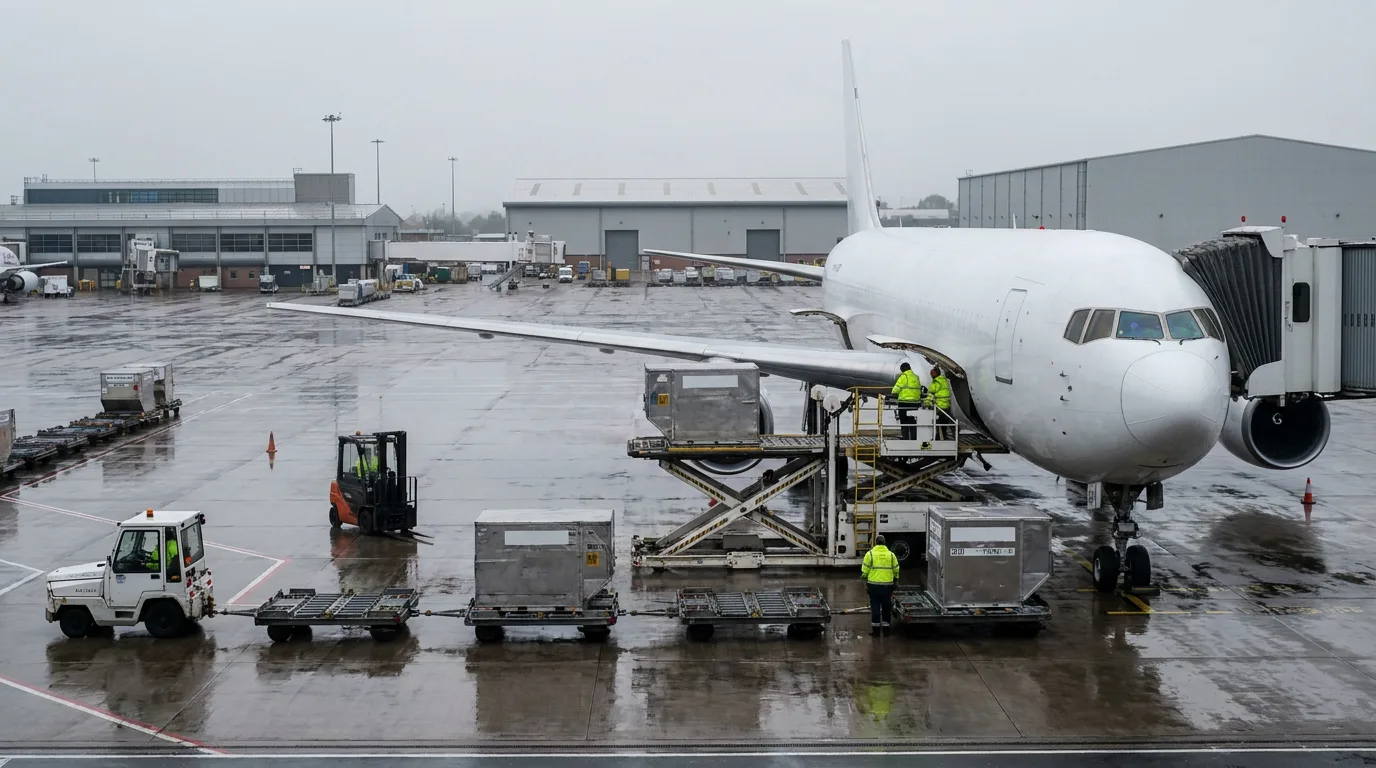
While SAF debates play out over years, Jettainer is moving on the carbon lever that requires no new fuel infrastructure. Lightweight unit load devices (ULDs) now make up roughly 80% of Jettainer’s total fleet. Last year, that fleet saved an estimated 18,000 tonnes of CO2 at Lufthansa Cargo alone. A joint project between Jettainer and Lufthansa Cargo cut an estimated 20 kilos per cargo net. These are not marginal numbers. They compound across thousands of flights and cycles per year.
Automation is the second front. Lufthansa Cargo’s new automated handling centre at Frankfurt represents a 600 million euro investment, with its first phase opening the day before the panel convened. Ethiopian Airlines opened its e-commerce logistics facility at Addis Ababa Bole International Airport in February 2024 at a cost of around 55 million dollars. That facility cut processing time by an estimated 60% against manual handling. Abel was measured on automation’s limits: trained human oversight and reliable data backup remain essential, particularly during early operational phases. Jettainer is adding IoT tracking across its full fleet to cut manual data entry and improve ULD positioning, reducing deadhead weight across the network.
CSN Industry Perspective
The Shanghai panel exposed something the industry already knows but rarely states this plainly. Decarbonisation is not a level playing field. Carriers with capital, SAF supply relationships, and European route exposure can move faster. Carriers without those advantages are not slower by choice. They are slower by geography and market structure. The 17 cents that sustainable transport reportedly adds to shipping a 1,000-euro smartphone sounds manageable. It sounds very different when the SAF to achieve it is not available at your hub at any price.
For freight forwarders, the practical read is this. Weight reduction and automation produce carbon savings and cost savings simultaneously. Those gains are available now, on existing infrastructure. SAF frameworks matter, but forwarders working with carriers across different market positions need to understand exactly what sustainability commitments each carrier can actually deliver on a given route. Transparency on that point is not optional. Customers are already asking. If you are building air cargo quotes across multiple carriers and lanes, understanding the platform benefits that give you real carrier comparison is where efficient, margin-protecting decisions start.
SUBSCRIBE TO FAST FORWARDER
YOUR INDUSTRY INTELLIGENCE HUB
Fast Forwarder gives you weekly market insights, rate trends and industry intelligence.
*UNSUBSCRIBE ANYTIME. WE DON’T SEND SPAM.

Frequently Asked Questions
What is SAF and why does supply matter so much?
Sustainable aviation fuel (SAF) is a lower-carbon alternative to conventional jet fuel. It is currently the primary tool airlines have to cut flight emissions. Supply is the core problem: production volumes are not growing at the same pace as demand, which limits how quickly even committed carriers can scale their SAF use.
How does the EU SAF blending mandate affect cargo carriers?
The EU mandate currently requires a 2% SAF blend on European routes. For carriers based in Europe with established supply chains, this is manageable. For carriers like Ethiopian Airlines that must import SAF at high cost, even a 2% requirement creates a significant financial and logistical burden.
What carbon savings do lightweight ULDs actually deliver?
The figures from the Shanghai panel are specific. Jettainer’s lightweight ULD fleet saved an estimated 18,000 tonnes of CO2 at Lufthansa Cargo in a single year. A joint lightweight net project cut an estimated 20 kilos per net. These gains compound across high-frequency operations and require no new fuel infrastructure.
Does automation in cargo handling reduce emissions?
Yes, though the primary driver is efficiency. Faster processing, better ULD positioning, and IoT-enabled tracking reduce wasted movements and deadhead weight. Ethiopian Airlines reported a 60% cut in processing time at its Addis Ababa e-commerce facility compared to manual handling. Reduced cycle times and better load planning both carry carbon benefits.
How can freight forwarders factor sustainability into carrier selection?
Ask specific questions about what each carrier can actually deliver on a given route. SAF commitments vary significantly by carrier, hub location, and route type. Comparing rates across carriers that have different sustainability profiles and cost structures requires visibility across multiple options simultaneously, not a single-carrier quote.
At Cargo Solutions Network, freight professionals access live rates, compare multi-carrier options airport-to-airport (A2A) or door-to-door (D2D), and book direct. Zero subscription fees. No platform tax. Built by freight people, for freight people. Quote now at cargosolutionsnetwork.com.