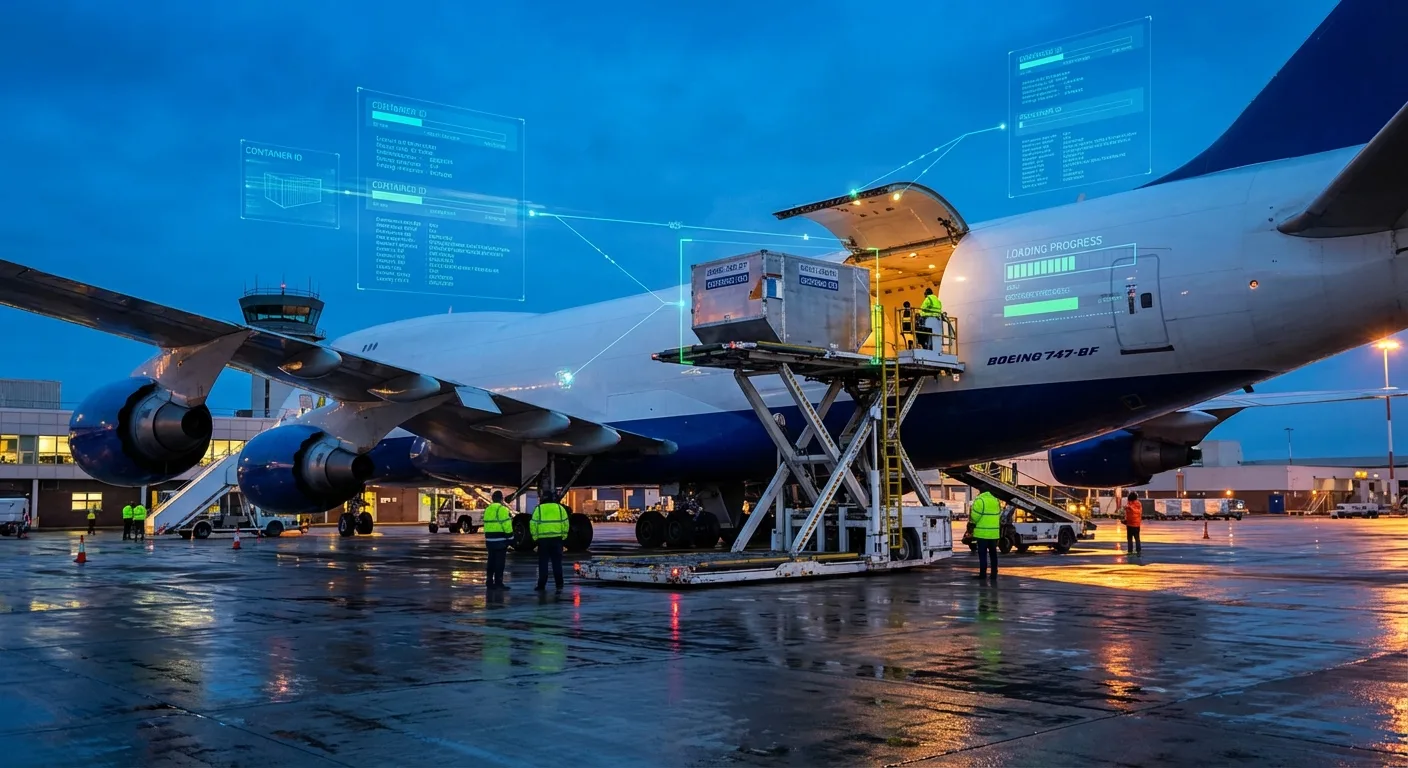
Digital tools, smarter routing and sustainability reporting are no longer differentiators in airfreight. By 2026, they become baseline expectations. The gap between forwarders who intend to modernise and those who execute will widen rapidly.
The industry has spent the last few years proving that digital operations are possible at scale. The next phase is less forgiving. Compliance deadlines, tighter capacity discipline and more complex routing patterns mean operational maturity will matter more than ambition.
For independent and SME forwarders, this shift presents both risk and opportunity.
From experimentation to operational accountability
Over the past year, many forwarders adopted new platforms for quoting, tracking and documentation. Some implemented partial digital workflows. Others layered tools on top of legacy processes.
In 2026, partial adoption will no longer be enough.
Airfreight operations are moving toward environments where data must flow end-to-end without manual intervention. Fragmented systems, duplicated data entry and paper-based fallbacks introduce delay, cost and compliance exposure. As regulators, carriers and shippers tighten expectations, operational weak points become commercially visible.
Forwarders that cannot exchange shipment data cleanly across partners will increasingly struggle to compete on speed, reliability and access to capacity.
Digital documentation becomes a gatekeeper, not a feature
Electronic documentation is shifting from convenience to requirement. As digital air waybill usage expands across major trade lanes, forwarders that fail to align systems and partners risk friction at key gateways.
The upside of compliance is significant: faster customs processing, clearer shipment status, fewer disputes and more predictable billing cycles. The downside of non-compliance is equally clear: delays, manual intervention and reduced attractiveness to carriers and enterprise shippers.
The practical challenge is not the document itself, but integration. Forwarders must align internal workflows, external partners and carrier interfaces so digital documentation is consistent across the full journey.
Customer expectations are reshaping operational design
E-commerce and direct-to-consumer shipping continue to influence airfreight behaviour well beyond parcel networks. Speed, transparency and flexibility are now expected across B2B shipments as well.
Shippers increasingly want:
-
Rapid, indicative pricing without lengthy email exchanges
-
Clear routing options across multiple corridors
-
Proactive milestone updates rather than reactive status checks
-
Door-to-door visibility across carriers and modes
Forwarders that rely on manual quoting, closed systems or delayed confirmations struggle to meet these expectations. Those that surface options quickly and communicate clearly convert more enquiries into bookings.
Routing complexity is increasing, not decreasing
Trade flows are becoming more fragmented. Instead of concentrating volume through a small number of megahubs, shippers are spreading risk across regions, secondary gateways and alternative corridors.
This shift increases routing complexity. Multi-leg, multi-carrier and mixed-mode solutions are now common rather than exceptional. Comparing options across spreadsheets and inboxes no longer scales.
Operational advantage increasingly comes from the ability to assemble, compare and execute routes quickly while maintaining visibility and cost control.
Capacity discipline rewards prepared forwarders
As capacity patterns stabilise, airlines are becoming more selective about deployment. Yield protection and corridor performance are prioritised over blanket volume growth.
For forwarders, this means:
-
Earlier engagement to secure space
-
Stronger partnerships on key lanes
-
Diversification beyond a narrow set of routes
-
Clear understanding of where flexibility exists and where it does not
Forwarders with diversified lane strategies and strong regional relationships are better positioned when traditional routes soften or tighten unexpectedly.
Sustainability reporting moves into daily operations
Sustainability requirements are no longer limited to annual reports or marketing commitments. Many shippers now expect emissions data, fuel options and routing impact to be visible at booking or shortly after uplift.
Manual carbon reporting does not scale. Forwarders that integrate sustainability metrics into operational workflows can respond faster to client requests and avoid last-minute data scrambles.
This does not require perfection, but it does require consistency and transparency.
What forwarders should focus on now
The coming year rewards practical execution. Forwarders preparing for 2026 should prioritise:
-
End-to-end digital workflows
Remove paper fallbacks and duplicated data entry wherever possible. -
Fast, accessible quoting
Reduce friction for new enquiries and repeat customers. -
Clear routing visibility
Present realistic options across multiple corridors and hubs. -
Partner alignment
Ensure agents, carriers and systems support consistent digital exchange. -
Embedded sustainability data
Make emissions information part of normal operations, not a separate exercise.
The advantage lies in readiness
The tools to operate efficiently already exist. What separates forwarders in 2026 will not be access to technology, but how well it is implemented.
Those who move early, simplify workflows and build flexibility into routing and partnerships will compete effectively against much larger players. Those who delay will find that the market has less patience for manual processes and opaque operations.
The shift is underway. Execution speed will determine who benefits.