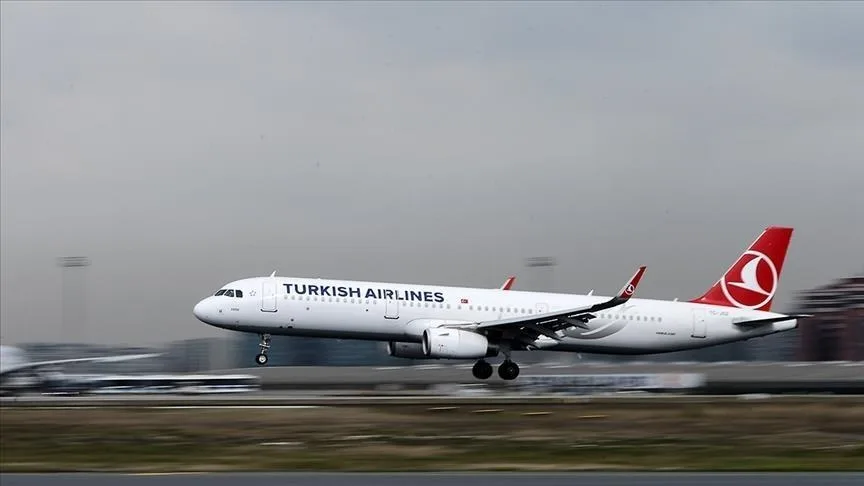
Turkish Airlines revealed plans for a major infrastructure expansion on 2 January 2026. The $2.3 billion investment will deliver what the carrier claims will be the world’s largest cargo terminal and in-flight catering facility.
The announcement marks a significant commitment to air cargo capacity and signals serious intent from a carrier already moving around 2 million tonnes annually.
Scale and Investment
The project requires 100 billion Turkish lira, equivalent to more than $2.3 billion USD. Turkish Airlines shared the announcement via the Turkish social media platform NSosyal, positioning the development as a symbol of national growth.
26,000 new jobs to be created
The facilities are expected to generate approximately 26,000 new positions once completed. That represents a substantial employment impact from a single infrastructure project.
While Turkish Airlines has not officially disclosed the location, Istanbul remains the most likely site. Turkey’s commercial capital operates two major international air hubs, Istanbul Airport and Sabiha Gokcen International Airport. Both serve as strategic gateways linking Europe, Asia, and the Middle East.
Strategic Positioning
Turkish Airlines operates an extensive global network, serving more than 350 destinations across 134 countries. At the end of 2025, the fleet stood at 514 aircraft.
The airline carries more than 85 million passengers annually alongside its 2 million tonnes of cargo. This dual focus on passenger and freight operations positions Turkish Airlines as a major force in global logistics.
“Türkiye is growing, Turkish Airlines is soaring. As Türkiye’s flagship brand, this pride makes us proud.”
Growth Targets
Turkish Airlines has ambitious plans for the next decade. The carrier aims to:
-
Rank among the world’s top five airlines by 2033
-
Expand its fleet to 813 aircraft by 2033
-
Boost cargo capacity through new terminal infrastructure
-
Enhance global competitiveness in freight operations
The cargo terminal project fits squarely within this long-term growth strategy. Expanding freight capacity supports both revenue diversification and improved network utilisation.
Market Context
Air cargo remains a high-value segment. Freight forwarding professionals know that access to capacity is a key competitive advantage.
Turkish Airlines already handles significant cargo volumes, and the new terminal will expand that capacity considerably. For freight forwarders, this means:
-
Additional capacity on key lanes connecting Europe, Asia, and the Middle East
-
Potential improvements in transit times through upgraded infrastructure
-
More routing options for complex, multi-leg shipments
-
Expanded door-to-door coverage through strengthened hub operations
Istanbul’s geographic position makes it a natural cargo hub. Sitting at the crossroads of major trade routes, enhanced terminal infrastructure could reduce handling times and improve reliability.
Employment Impact
The creation of 26,000 new roles represents substantial job growth. Positions are likely to span ground handling, warehouse operations, customs processing, catering production, and logistics management.
This employment boost extends beyond Turkish Airlines itself. Support services, transport providers, and freight forwarders operating through Istanbul are also likely to benefit from increased throughput and expanded infrastructure.
Infrastructure Scale
Turkish Airlines claims the new facility will be the world’s largest cargo terminal. While specific capacity figures have not yet been released, the scale of the $2.3 billion investment suggests a major expansion.
Modern cargo terminals typically integrate advanced technology throughout the workflow, including:
-
Automated handling systems to speed cargo movement
-
Digital customs processing to reduce clearance times
-
Real-time tracking integration for improved shipment visibility
-
Temperature-controlled zones for sensitive freight
The in-flight catering facility is an often-overlooked component of airline operations. Large-scale catering infrastructure supports both passenger service and cold-chain requirements, helping maximise operational efficiency.
Regional Competition
Turkish Airlines faces strong competition in Middle Eastern and European cargo markets. Major carriers including Emirates, Qatar Airways, and Lufthansa operate substantial freight networks.
The new terminal positions Turkish Airlines to compete more effectively for:
-
High-value cargo requiring fast transit times
-
Temperature-controlled pharmaceuticals and perishables
-
Rapidly growing e-commerce volumes across Europe and Asia
-
Cross-border trade between emerging markets
For freight forwarders, increased competition among carriers creates opportunity. More capacity options often translate into improved rates and service levels.
Timeline and Execution
Turkish Airlines has not yet released a detailed construction timeline. Projects of this scale typically take several years from groundbreaking to full operation.
Freight forwarders should monitor progress updates closely, as new capacity coming online will influence routing strategies and rate negotiations.
“Enhanced cargo infrastructure in Istanbul could reshape routing options across Europe-Asia trade lanes.”
What This Means for Freight Forwarders
Turkish Airlines’ infrastructure investment signals confidence in long-term air cargo growth. For independent forwarders, developments like this create both opportunity and complexity.
Opportunities include:
-
Access to expanded capacity on strategic trade lanes
-
Potential rate competition as new infrastructure becomes operational
-
Improved transit times through modern handling facilities
-
Greater reliability through reduced congestion
Challenges include:
-
Identifying which routes benefit most from the additional capacity
-
Understanding changes to booking and handling procedures
-
Keeping clients informed about enhanced service options
-
Adapting pricing strategies as market dynamics shift
Forwarders using digital freight platforms gain a clear advantage here. Multi-carrier comparison tools allow rapid assessment of routing options. When new capacity like Turkish Airlines’ terminal comes online, alternative routings and rate comparisons can be produced in minutes rather than hours.
Looking Ahead
Turkish Airlines’ $2.3 billion investment highlights the scale of infrastructure development reshaping global air cargo. The project directly supports the airline’s ambition to rank among the world’s top five carriers by 2033.
For freight professionals, tracking these developments is essential. Infrastructure investments influence capacity availability, which in turn affects rates, transit times, and service reliability across key trade lanes.
The Istanbul cargo terminal project deserves close attention from forwarders moving freight between Europe, Asia, and the Middle East. Once operational, the facility will significantly expand throughput at one of the world’s most strategically positioned logistics hubs.
Global shipping continues to evolve as carriers invest billions in new infrastructure. Independent forwarders need the tools and market visibility to respond quickly and remain competitive as capacity dynamics shift.